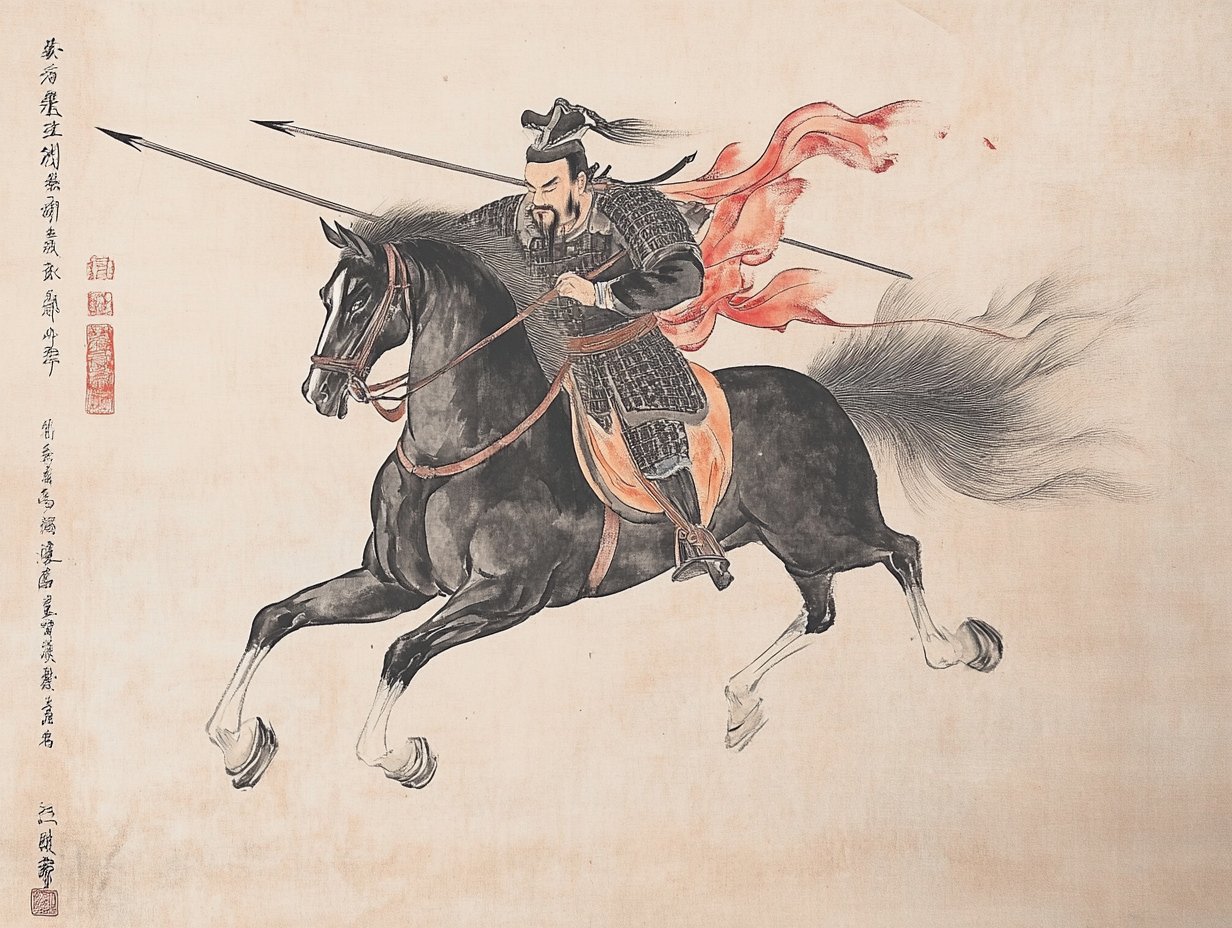
Sun Tzu on what happens when leaders don’t know the work
This morning I read this from Sun Tzu’s The Art of War:
“If one ignorant of military matters is sent to participate in the administration of the army, then in every movement, there will be disagreement and mutual frustration, and the entire army will be hamstrung…”
Sun Tzu’s point is clear. Leadership only works when the person in charge knows what they’re doing. When a leader doesn’t understand the work or how to guide their team, things start falling apart. Slowly at first, then all at once.
Imagine an inn known for personalized service. Glowing fireplaces, freshly baked scones, the kind of attention that turns first-time guests into regulars. Lately things feel off. Rooms aren’t ready on time. Repairs drag. The little details that made the inn special — handwritten welcome notes, well-made beds — are slipping. The owner promoted the loyal front-desk supervisor to operations manager but didn’t prepare her for the role. She doesn’t know how to schedule housekeeping effectively. She isn’t communicating well with maintenance. Heaters break during a cold snap and don’t get fixed for days. Housekeeping and maintenance start feeling like their work isn’t valued. Cross-department blame creeps in. Guests who once raved start leaving lukewarm reviews.
Sound familiar? Poor leadership isn’t just inconvenient. It can wreck a business. Here’s how to fix it.
When leaders don’t understand the work
A leader who doesn’t understand the work their team does can’t make informed decisions. They miss critical details, frustrate their people, and create problems instead of solving them.
A boutique I’ll borrow as an example brought on a new manager who didn’t know how inventory cycles affected scheduling. He ordered too much during slow months, cluttering the back room, and not enough during sales events, leaving shelves empty. Staff spent hours searching for products. Customers walked out empty-handed. After he worked alongside the inventory team and learned how purchasing decisions actually moved through the store, the planning got smarter. Sales improved. Employees felt less overwhelmed. Customers came back for the smoother experience.
Have new leaders work alongside their teams to understand the daily tasks and challenges. A new retail manager spends a week with inventory checks and the customer-service desk. Provide specific training tailored to the role, not just general leadership content. And ask your leaders: what’s one part of your team’s work you don’t fully understand? How can you learn more about it this week?
The Peter Principle trap
You’ve seen it. Someone gets promoted because they’re great at the job they’re in. The skills that made them successful aren’t the same ones they need to lead. They rise to the level of incompetence. Without support, they end up overwhelmed, and their team pays the price.
A service company I worked with promoted its best technician to team lead. Instead of delegating-done-right/) and resolving disputes, he micromanaged projects and avoided difficult conversations. Frustration grew. Technicians felt undervalued. Deadlines got missed. After targeted leadership training focused on delegation and conflict resolution, he started rebuilding trust. Productivity improved. Things turned around for clients.
Before promoting someone, evaluate their leadership potential. Are they ready to manage people, not just tasks? Look for communication, empathy, problem-solving — not just technical expertise. Use a trial period or a temporary assignment to test the role before committing to the promotion.
Think about your most recent promotion. Did you give that person the tools and training they needed, or did you hope they’d figure it out?
Training turns potential into results
No one is born knowing how to lead. It’s a skill that gets developed. Even the most promising leaders need support to grow. Leadership isn’t about knowing all the answers. It’s about learning how to guide a team.
A café shift supervisor I know struggled during busy mornings. Orders piled up. Tempers flared. Customers noticed the tension. He didn’t know how to build a prep system that worked. After training on time management and learning to assign roles based on strengths, he introduced a plan that streamlined the morning. The chaos cleared. The team felt more in control. Customers noticed the faster service.
Offer training focused on the actual challenges your leaders face. Time management. Conflict resolution. Hiring. Pair new leaders with mentors who can help them navigate the role. What’s the biggest challenge your leaders are facing right now? Build a plan this week to help them through it.
Collaboration creates stronger teams
When leaders bring their teams together, everything gets better. Communication improves. Problems get solved faster. Morale rises.
The inn from earlier introduced weekly meetings with housekeeping, maintenance, and the front desk. In one meeting they uncovered the recurring issue. Maintenance schedules weren’t being shared with housekeeping, so housekeeping couldn’t account for repair time. Once they coordinated, delays dropped and rooms started being ready on time. Guests who had complained about waits started leaving glowing reviews about the seamless service.
Encourage regular team check-ins to surface issues and brainstorm solutions. Foster cross-department collaboration with joint projects or shared goals. Where are your teams working in silos? Pick one place to improve collaboration this week.
Clear communication builds trust
When leaders communicate clearly, employees know what’s expected, feel supported, and avoid unnecessary mistakes. Communication isn’t just about talking. It’s about making sure everyone’s on the same page.
A daycare center I know had a new manager who struggled to keep parents informed about scheduling changes. Missed updates frustrated parents. Enrollment dipped. Staff didn’t feel equipped to handle complaints. After implementing a system for regular parent updates and holding weekly staff check-ins, communication improved. Parents appreciated the transparency. Staff felt more supported. Enrollment recovered.
Set up systems for regular updates. A shared project board. A daily check-in. Ask employees: what’s one thing you’d like communicated better? Spend fifteen minutes this week asking the team: what’s one thing I could explain more clearly to make your job easier?
Equip leaders with the tools they need
Even the best leaders can’t do their jobs without the right resources. Scheduling software. Inventory systems. Clear protocols. They aren’t nice to have. They’re the parts you need to fix the car.
A candle shop owner I worked with had an inventory manager keeping handwritten notes through a holiday rush. She over-ordered for spring and under-ordered for the holidays. Customers left disappointed. After implementing inventory software and training the team on it, the next year’s holiday sales hit a record.
Ask leaders what’s making their job harder than it needs to be, and act on it. Invest in tools that take friction out. This week, ask each of your leaders: what’s the one tool you need right now to do your job better?
The path to better leadership
Picture the business running smoothly because every leader knows how to guide their team, solve problems, and keep things moving. Employees trust their leaders and feel supported. Customers notice the difference.
Great leadership isn’t about having all the answers. It’s about creating an environment where people can do their best work. When you invest in leadership, you’re building a stronger team, a better culture, and a business you can be proud of.
Evaluate your current leaders. Do they have the tools and training they need? Take one specific step this month to improve leadership. Training. A new tool. A communication change. Pick one and start.
About the Author
Ron Tester is a physical therapist with thirty years in the field. He built, grew, and operated a multidisciplinary home health company employing PTs, OTs, and SLPs through a successful exit. He now coaches outpatient PT, OT, and SLP clinic owners on operating at the owner level. Certified Executive Coach and Book Yourself® Solid Coach. Learn more at https://rontestercoaching.com/about.