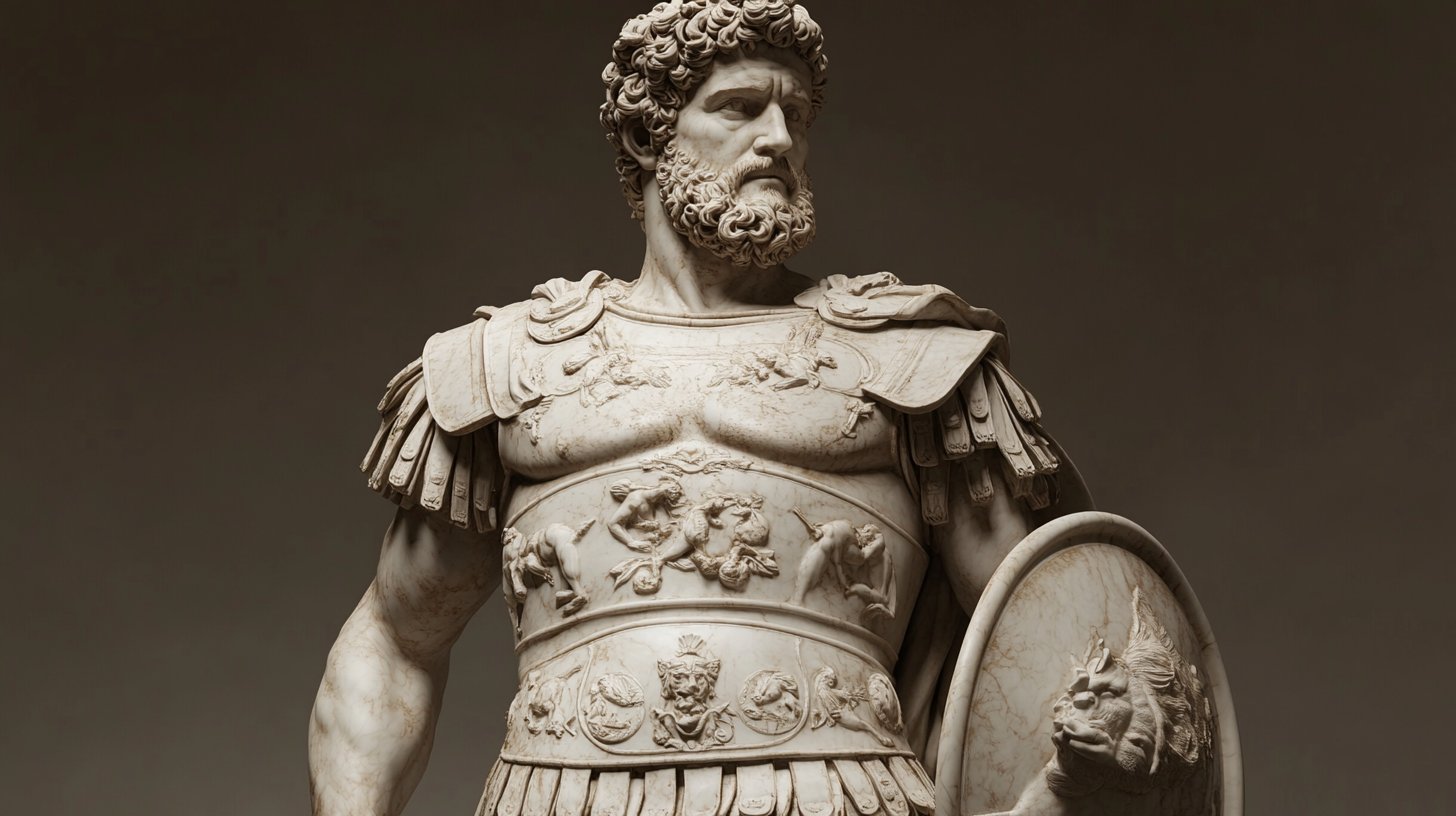
Marcus Aurelius on what a setback actually is
Every owner I know has had a moment that felt like the end.
The launch that flopped. The client who disappeared. The investment that didn’t pay off.
It stings at first. You question yourself. Was this a mistake? Should I even be doing this?
What if that moment, the one that feels like a disaster, is the catalyst for something bigger?
Marcus Aurelius:
“It’s unfortunate that this has happened. No — it’s fortunate that this has happened and I’ve remained unharmed by it. The thing itself was no misfortune at all; to endure it and prevail is great good fortune.”
The best owners don’t just recover from failure. They use it as fuel.
Setbacks are the beginning, not the end
A failed idea doesn’t mean you were wrong. It means you learned something you didn’t know before. The businesses that win aren’t the ones that never fail. They’re the ones that adapt and keep moving.
Some of the most successful companies today exist because their original ideas failed.
Slack started as a gaming company. The founders spent years building an online multiplayer game called Glitch. Beautifully designed. Well-funded. Small but passionate fanbase. It also failed. The company shut down the game, laid off most of its staff, and was left with almost nothing — except one internal tool they had built for team communication. That tool became Slack. The byproduct of a failure turned into something bigger.
The same thing happened with Airbnb. The founders didn’t set out to build a global hospitality empire. They were just trying to make rent in San Francisco. Renting out air mattresses to conference attendees wasn’t a real business. They pitched investors and heard no almost every time. In the process of failing, they learned something. People didn’t just want cheap places to stay. They wanted unique experiences and connections with local hosts. That realization turned a struggling side hustle into a $100 billion company.
Slack and Airbnb didn’t succeed because they stuck to their original ideas. They succeeded because they treated failure as information.
The same principle applies to your business. That offer that flopped. That niche that didn’t work. It might contain the seed of something better, if you’re willing to pivot.
When failure shows you a better path
A friend named Sarah started her consulting business thinking she had to price herself competitively to attract clients. She set her rates lower than more established consultants, hoping to build a steady base who would refer her to bigger projects.
It worked. Sort of. She got clients. They were the wrong ones. They treated her like an hourly employee instead of a trusted expert. They nitpicked every invoice. They ignored her recommendations and blamed her when things didn’t improve.
Sarah was exhausted. The business she’d poured everything into wasn’t working the way she’d imagined.
Instead of quitting, she made a bold call. She raised her prices. She restructured her offerings to attract higher-value clients who were serious about change. She started turning away businesses that weren’t a fit.
Fewer clients. Higher revenue. More fulfilling work. A business that energized her instead of draining her.
She didn’t just recover from failure. She used it to redesign the business.
What owners who turn failure into fuel do differently
They stop treating failure as the end of the story. A bad launch isn’t proof your idea is worthless. It’s proof something needs adjusting. Was the messaging off? Was the audience wrong? Was the offer unclear? Most failures aren’t total failures. They’re half-right ideas that need refinement. Strip the idea down to what worked and rebuild from there.
They extract the right lessons. Not every failure is a market failure. Some failures happen because the offer wasn’t clear enough. The marketing wasn’t positioned correctly. The right audience never saw it. After every failure, ask: what actually caused this? What was within my control? What feedback do I keep ignoring? The better you get at diagnosing the real problem, the faster you improve.
They act on data, not emotion. Setbacks trigger frustration, fear, doubt. Decisions made in panic mode rarely lead to breakthroughs. Pause. Let the emotions settle. Look at what’s actually happening. Choose a strategic response. The owners who bounce back aren’t just tougher. They’re more strategic.
Find the advantage no one else sees
Every setback contains an advantage. You have to look for it.
Lost a big client? You have time to attract better ones. Business model collapsed? Now you can rebuild it stronger. Fired from a job? You have the chance to create something of your own.
A few questions to surface the opportunity inside the problem:
What part of my business is weakest? If I fix it, could everything else improve?
What did I learn about my audience from this failure?
What’s one insight I gained that a competitor hasn’t noticed yet?
Slack realized their internal tool was more valuable than the product they were trying to sell. Airbnb realized people wanted better listings, not just air mattresses.
What are you sitting on that might be more valuable than you think?
What’s the failure you’re sitting on?
Think about your last big failure. Write it down. What was the real reason it didn’t work? Not the surface excuse. The root cause.
Set a ten-minute timer. Write down three insights that failure taught you. Identify one action step you can take this week to pivot based on that insight. Put it on your calendar before you move on.
Setbacks happen. Businesses stumble. The ones that turn failure into fuel don’t just recover. They rise.
About the Author
Ron Tester is a physical therapist with thirty years in the field. He built, grew, and operated a multidisciplinary home health company employing PTs, OTs, and SLPs through a successful exit. He now coaches outpatient PT, OT, and SLP clinic owners on operating at the owner level. Certified Executive Coach and Book Yourself® Solid Coach. Learn more at https://rontestercoaching.com/about.