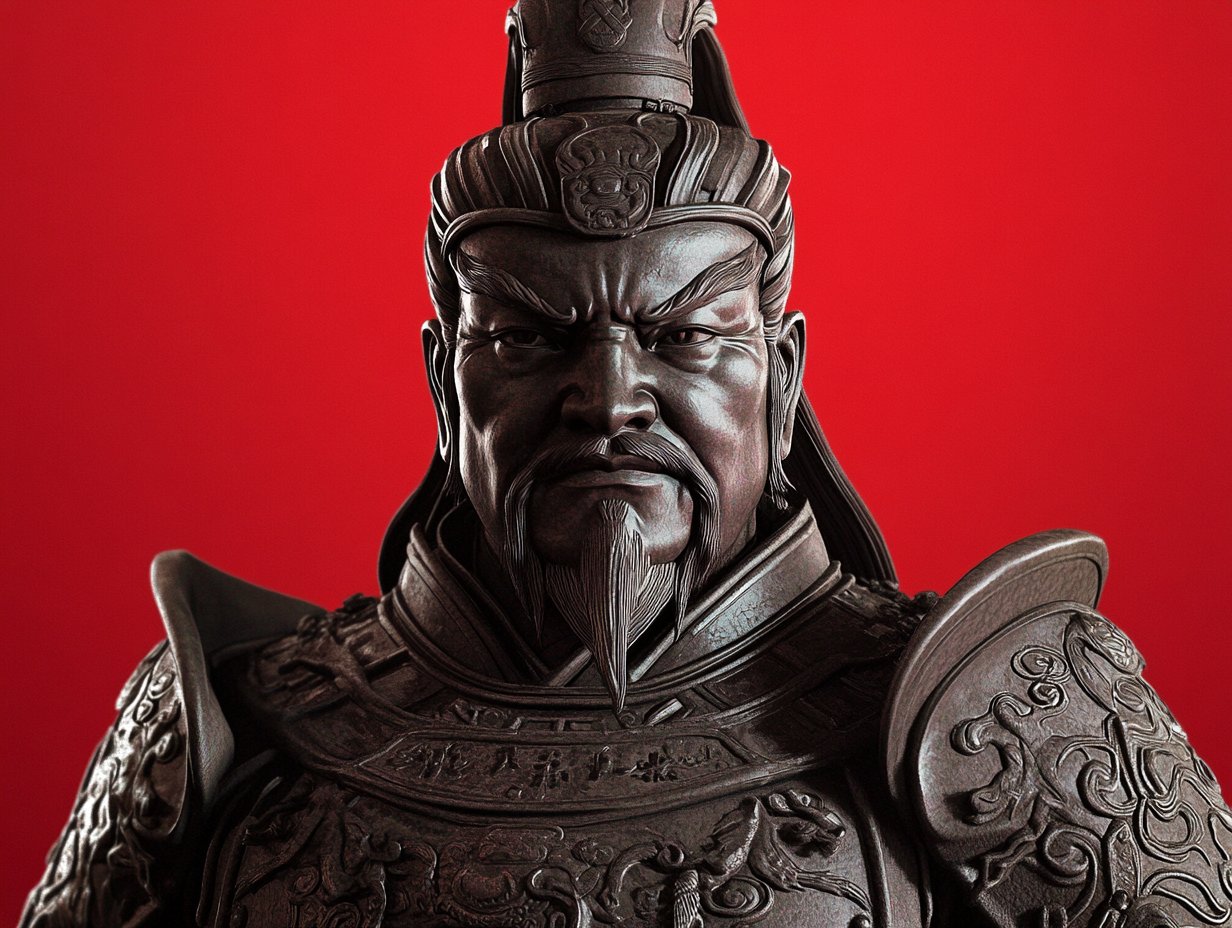
Sun Tzu on the two things you need to see clearly
“If you know the enemy and know yourself, you need not fear the result of a hundred battles.”
Sun Tzu’s advice isn’t just for generals. It’s a lifeline for small business owners. To build a business that lasts, you need to understand two things. Your strengths and weaknesses. The strategies your competitors are using. Without that clarity, you’re going to waste time, money, and energy on decisions that move you further from your goals.
Take a small-town pie shop known for its farm-to-table pies. When a new competitor opens across the street offering trendy, health-conscious desserts, the owner has a choice. Change the menu to compete? Double down on what made the shop special? Without understanding her own strengths or the competitor’s game plan, she’s guessing.
Knowing yourself and knowing your competition helps you avoid reactive decisions and focus on what actually matters. Here’s how to apply it.
Strong teams start with self-aware leaders
Good leadership starts with knowing yourself. What are you good at? Where do you struggle? The hardest part is being honest about your weaknesses, because they’re usually the things we don’t want to see. That’s why you need feedback from someone you trust. A mentor. A coach. Another business owner who can give you an outside view.
It’s just as important to understand your team. An inn I know had front-desk staff that were great at creating warm, personal connections with guests, but struggled to upsell spa packages. Instead of blaming them for low sales, the owner brought in training to help the staff make recommendations in a way that felt natural. Guests appreciated the thoughtful suggestions. Spa bookings increased without losing the personal touch that kept customers coming back.
When you understand your strengths and weaknesses, and those of your team, you can make decisions that play to your strengths instead of fighting against them.
Ask someone you trust for honest feedback about what you’re doing well and where you need to improve. Pick one area to focus on. Make a plan.
Outsmart competitors by understanding their strategy
If you don’t know what your competitors are doing, you can’t compete with them effectively. It’s like trying to play a game without knowing the rules.
The pie shop from earlier started noticing Saturday sales were dipping. The owner asked regular customers for feedback. A new bakery nearby was drawing customers with gluten-free and keto-friendly options. Instead of scrambling to copy the competitor’s menu, the owner leaned into what made the shop special. Authentic, farm-to-table pies made with local ingredients. A “Seasonal Harvest” campaign with flavors like spiced pear and cranberry walnut. Customers came back for something they couldn’t find anywhere else.
Sometimes it takes a nudge — declining sales, customer feedback — to realize what your competition is up to. The sooner you understand their strengths and weaknesses, the sooner you can position to win.
Research one competitor this week. Visit their store or website. Read reviews. Talk to their customers if you can. Write down one thing they do well and one gap you could fill.
Differentiate to dominate
Your marketing works best when it highlights what makes you unique. Customers won’t remember you if you’re just a cheaper version of someone else. They’ll remember you for what only you can offer.
A small-town bookstore faced stiff competition when a big-box chain moved into the area. The chain offered steep discounts. It didn’t build connections with the community. The bookstore leaned into its strength — creating a sense of belonging. Weekly book clubs. Author readings. A partnership with a local café for free coffee during events. Customers didn’t just shop there. They became part of a community that valued relationships over discounts.
When you focus on what makes your business special, you’re not just competing. You’re creating something customers can’t find anywhere else.
Write down three things your business does better than anyone else. Look at your marketing. Are those strengths front and center? If not, pick one to highlight this week.
Know your numbers
You can’t make good decisions if you don’t know where your money is going. Which products make you the most? Which ones barely break even? If you don’t know the answers, you’re flying blind.
A café owner I know got caught when supply costs spiked unexpectedly and profits started slipping. She reviewed the menu and expenses and found that breakfast sandwiches were her biggest moneymaker, while afternoon snacks were dragging the business down. She expanded breakfast offerings and trimmed underperforming items. Finances stabilized. Profits rose.
Understanding your numbers isn’t about spreadsheets. It’s about knowing what keeps the lights on.
Pick one product or service. Track its costs, revenue, and profit margins for a month. Use the data to decide whether to expand, adjust, or cut it.
Listen to your customers
Your customers are constantly telling you what they want. You have to listen.
A toy shop owner I know didn’t realize how overwhelmed parents were during holiday shopping until one customer said, “I don’t even know where to start.” That moment sparked an idea. The team created a “Top Picks for Busy Parents” display, grouping toys by age and interest, and offered complimentary gift wrapping. Small change. Big impact. Parents felt cared for. Many came back year after year because the shop solved their problem instead of adding to their stress.
Talk to five customers this week. Ask what they love about your business and what they’d like to see improve. Use one idea to make a change.
Stay ahead
The business world changes fast. If you wait until you’re struggling to adapt, you’re already behind. The best businesses don’t just react to change. They anticipate it.
A neighborhood gym I know didn’t wait for members to demand virtual classes. The owner saw the trend growing and launched livestreamed workouts and a library of on-demand videos. When other gyms scrambled to adjust during the pandemic, this one was already ahead.
You don’t have to chase every trend. You do need to pay attention to what’s coming. Staying ahead means you’re ready to adapt before your competitors.
Think about one trend or customer request you’ve noticed recently. What’s one small way you could test it?
Build something that lasts
Running a business is never easy. It isn’t supposed to be. Most small businesses don’t fail because of a lack of effort. They fail because of a lack of focus.
When you understand your strengths, your competition, and your customers, you can cut through the noise and make decisions that matter. Don’t try to do everything. Focus on what makes your business special. Deliver it consistently. Stay curious about what’s happening around you.
You started this business because you believed in something. With clarity and determination, you can protect that, grow it, and build something that lasts.
About the Author
Ron Tester is a physical therapist with thirty years in the field. He built, grew, and operated a multidisciplinary home health company employing PTs, OTs, and SLPs through a successful exit. He now coaches outpatient PT, OT, and SLP clinic owners on operating at the owner level. Certified Executive Coach and Book Yourself® Solid Coach. Learn more at https://rontestercoaching.com/about.