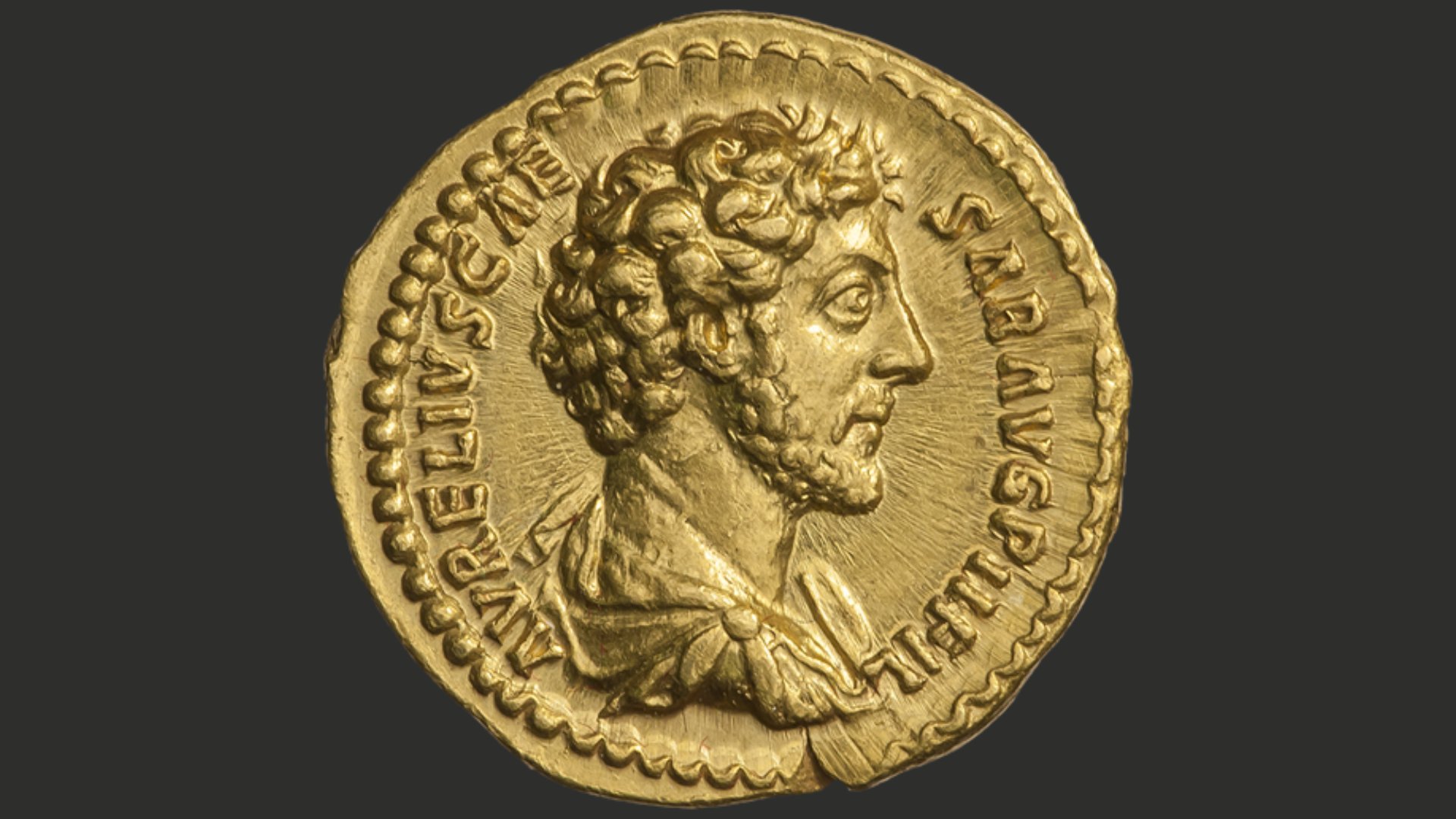
Marcus Aurelius on what business is for
“I just want to go out to eat again.”
When my patient first told me this, I could hear the longing in his voice. It had been over a decade since he’d been able to go to a restaurant. He wasn’t asking for a miracle. Just a simple, ordinary moment that most people take for granted. For him it seemed impossible. When I asked where he’d want to go, he mentioned a small BBQ joint on the south side of town.
Right then, we made a deal. If we could get him mobile enough, we’d go together. Him, his wife, and me.
I went to that BBQ place after work that day. Walked through everything he’d need to do. Getting in and out of a car. Managing the entrance ramp. Navigating the space between tables. Lowering himself into a chair without arms — harder than you’d think when you’re not used to it. Then we got to work.
For months we focused on building his strength and balance. Every small win brought us closer. Some days were harder than others. He never gave up.
The day we finally made it, you should have seen his smile. After more than ten years, he was sitting in a restaurant again, sharing a meal with his wife. It wasn’t just about the BBQ. It was about reclaiming a piece of normal life that had seemed forever out of reach.
Marcus Aurelius wrote:
“Life is short — the fruit of this life is a good character and acts for the common good.”
That smile, that moment of joy — you won’t find them on any spreadsheet. To me, they’re what really matters in business.
What “doing good” actually looks like
I have a friend who runs a digital marketing agency. Between client calls and deadlines, he carves out time to help nonprofits with their marketing. Organizations that desperately need the help and could never afford his usual rates. He says they’re doing important work and this is how he can help them do it better.
Another friend, a coach with a waiting list of high-paying clients, dedicates part of her practice to medical students. She charges them a fraction of her usual rate. She knows how the stress of medical school can bring personal challenges to the surface at the worst possible time. By helping these students navigate their struggles now, she’s helping create more compassionate, well-rounded doctors for the patients they’ll have for the rest of their careers.
These aren’t grand charitable initiatives. They’re just people finding ways to use their skills to make their corner of the world a little better.
When business loses its soul
I’ve seen the dark side too. Where I used to live, there was a hospice company growing like crazy. I couldn’t figure out how they were doing it. I was a little envious. Then the truth came out. They were committing Medicare fraud, and worse, they were horrifically abusing patient trust. The owner was texting nurses with instructions like “You need to make this patient go bye-bye” when patients had been on service too long.
Several people, including two physicians I’d met, went to prison. The real cost was the betrayal of vulnerable patients and their families who trusted them with their final days.
That’s an extreme example. Every business faces a version of the choice. Will you do what’s right when no one is watching?
Why doing good matters more than ever
There’s immense pressure to grow at all costs. Venture-backed competitors can afford to lose money for years. Social media creates pressure to turn every good deed into a marketing moment.
Real impact usually happens quietly.
I know a massage therapist who has a special heart for people with diabetes. She volunteers her time, provides gift certificates for fundraisers, and looks for ways to support that community. A friend who runs a senior care home creates enrichment programs far beyond what most others do, keeping residents engaged and fighting isolation.
They don’t do it for Instagram. They do it because it’s right.
Building good into your business
A few things I’ve learned about making an impact part of how you run a business.
Start with what matters to you. What problems do you see that break your heart? What skills do you have that could help? Where can you make a difference, even a small one?
Make it sustainable. Decide up front what portion of your time and resources you’ll dedicate. Pick something specific and measurable — one free consultation a month, 5% of sales donated, a regular pro-bono partnership. Build it into the business model so it isn’t an afterthought. Set boundaries so giving back strengthens the business rather than drains it.
Focus on individual impact. Sometimes helping one person deeply is better than helping many superficially. Look for ways to solve real problems, not just easy ones. Let the impact compound over time.
The real return
When I helped that patient get to the BBQ joint, I wasn’t thinking about ROI. I was thinking about a man who deserved that experience and a chance to share a meal with his wife again.
Here’s what I’ve seen happens when you consistently choose to do good. Employees stay because their work has meaning. Customers become advocates because they trust you. Word spreads, because people notice businesses that care.
Marcus Aurelius wrote:
“What is not good for the swarm is not good for the bee.”
In business terms: what’s good for your community is good for your business.
You can track metrics. Net promoter scores. Customer satisfaction. Sometimes the only metric that matters is this. Are you proud of how you operate? Would you want your kids to run their businesses the same way?
The choice
Every business faces a choice. Will you build something that just makes money, or will you build something that makes money while making a difference?
Sometimes the smallest things — helping someone get to a BBQ joint — can mean everything to someone else. Isn’t that, at least partly, what business should be about?
What’s one small way you can make an impact through your business this week? Pick something and start.
About the Author
Ron Tester is a physical therapist with thirty years in the field. He built, grew, and operated a multidisciplinary home health company employing PTs, OTs, and SLPs through a successful exit. He now coaches outpatient PT, OT, and SLP clinic owners on operating at the owner level. Certified Executive Coach and Book Yourself® Solid Coach. Learn more at https://rontestercoaching.com/about.