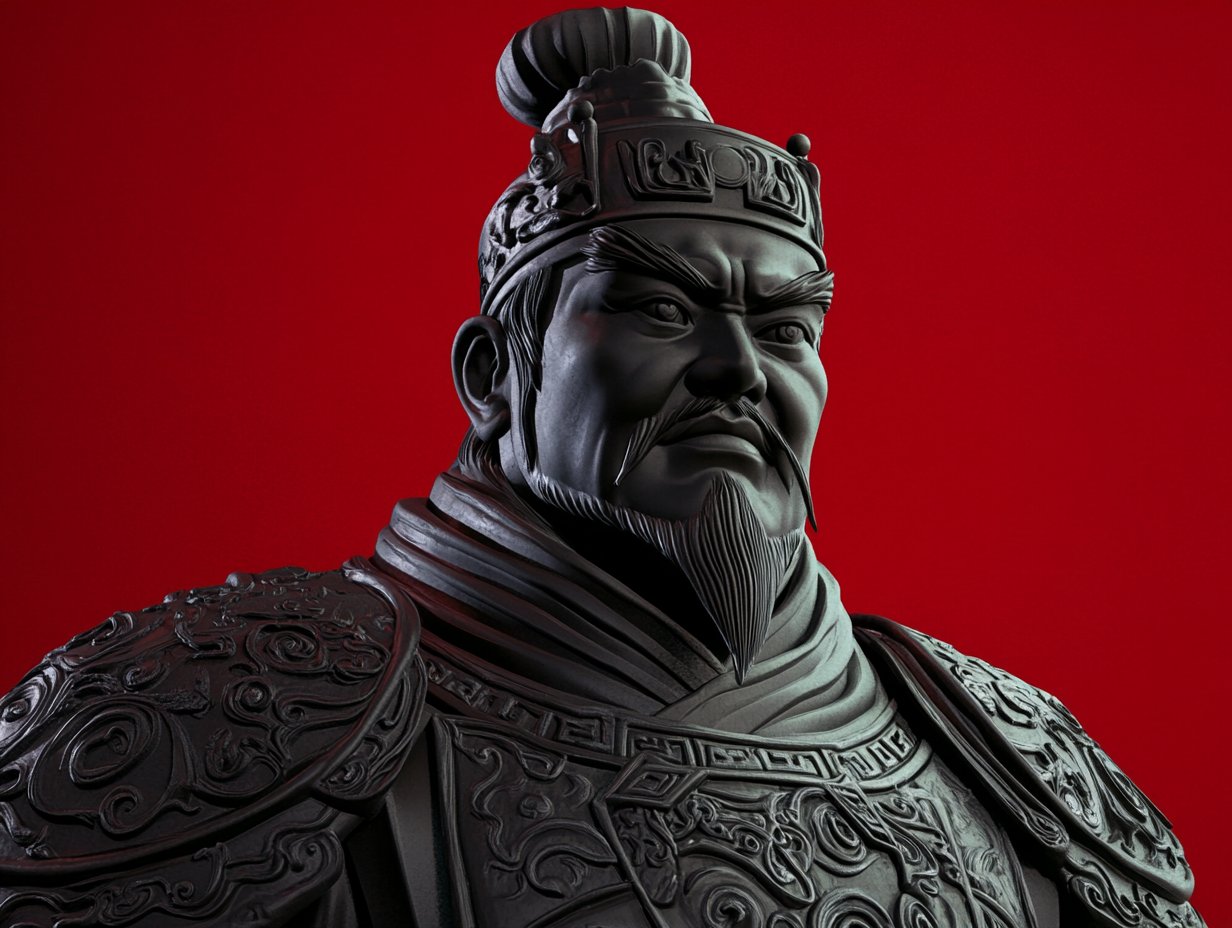
Sun Tzu on what AI is doing to your industry
This morning, reading The Art of War, I came across this:
“In the midst of chaos, there is also opportunity.”
It made me think about the wild and rapid changes artificial intelligence is bringing to nearly every industry. For small businesses, AI is shaking up how we work. How we market. How we interact with customers. How we think about long-term strategy.
For some, the changes feel overwhelming. Others see AI as a chance to innovate. For most of us it feels like both, depending on the day or the hour. Either way, chaos isn’t just a threat. It’s a moment to step back, reevaluate, and find ways to adapt that fit your business and your strengths.
Finding focus amid AI disruption
Change creates uncertainty. It can also push owners to think differently. Strong leadership helps teams stay calm and look for opportunity when things are upheaval.
An inn I’ll borrow as an example experienced a drop in bookings when travel apps powered by AI started promoting chain hotels. Rather than reacting in frustration, the innkeeper gathered the team to figure out where they could compete on what made them special. They developed curated guest packages featuring local experiences. Guided nature walks. Exclusive farm-to-table dinners. These highlighted personal connections that AI-driven recommendations couldn’t replicate, at least not yet. Direct bookings increased 20%.
Uncertainty often leads to creativity. Focusing on your strengths surfaces opportunities others overlook.
Schedule a meeting with your team this week to discuss how AI is affecting your industry. Identify one area of uncertainty and brainstorm a solution that leverages what you do best.
Human-centered marketing
AI is changing how customers find businesses. Search engines. Personalized recommendations. Small businesses have to find ways to stand out in a crowded digital space.
The inn refreshed its online presence to stay relevant in AI-driven search results. They optimized their website with local stories and seasonal content. Blog posts about nearby festivals. Instagram posts of their homemade breakfasts. Updates that appealed to both AI algorithms and travelers searching for an authentic experience. Visibility improved. The right guests found them.
AI may dominate customer discovery. Businesses that highlight their individuality still attract the right audience.
Review your website and social media this week. Add content that reflects what’s unique about your business. Staff stories. Local partnerships. Community involvement.
Use AI without losing the personal touch
One of the best things about AI is that it can simplify repetitive tasks, freeing up time to connect with customers. The job is to decide where automation fits without sacrificing the humanity.
A bakery I know introduced AI-powered software to forecast inventory needs. The bakery stopped running out of popular items. Staff got time back to experiment with new recipes and create personal experiences for customers. Surprising regulars with samples of upcoming menu items. Efficiency from AI supported the relationships that kept customers coming back.
Technology can enhance operations. The value of human connection shouldn’t be underestimated.
Identify one repetitive task — managing appointments, answering FAQs — that AI could help with. Use the time saved to add a personal touch somewhere else.
Trust through technology and personalization
AI may provide convenience. Customers still value businesses that make them feel seen and appreciated.
The inn implemented an AI chatbot to handle basic guest inquiries. Room availability. Directions. To balance the automation, they added personal touches like handwritten thank-you notes at checkout. The combination of quick automated responses and thoughtful personal touches reinforced their commitment to customer care. Glowing reviews. Repeat bookings.
Customers may embrace automation for efficiency. They remember businesses that make them feel valued.
Look at your customer interactions. Find one way to add a personal element. A note. A call. A face-to-face conversation.
Rethinking the business model
AI disruption isn’t just challenge. It can highlight areas of your business that need to change. Adapting often opens the doors to growth.
The inn noticed more guests booking shorter, last-minute stays. A trend driven by AI-powered travel tools promoting flexible options. They introduced “quick getaway” packages with flexible check-ins, discounted weekday rates, and simple add-ons like picnic baskets or spa discounts. A new model that met changing customer expectations while keeping the inn’s personal service.
Adapting to shifts in customer behavior driven by AI can open up new opportunities without abandoning what makes your business special.
Think about one way AI is changing your customers’ behavior. How can you adjust your offerings to meet them where they are?
Your next steps
Success in the age of AI comes from acting with intention. Leveraging AI for efficiency. Strengthening personal connections. Adapting to new customer behaviors. The key is to approach the chaos with clarity.
Identify one area where AI is causing disruption in your business. Marketing. Customer expectations. Internal processes. Pick one and consider how to adapt.
Experiment with a small change or test. AI-optimized content. AI handling a repetitive task. Enhancing the human touch somewhere. Start small. Track impact.
Engage your team. Discuss how AI is reshaping your industry. Brainstorm ways to strengthen what sets you apart. Pick one idea. Evaluate the results.
Am I saying everything is fine and there’s nothing to worry about? Absolutely not. AI is already affecting businesses and customers, and if it hasn’t touched yours yet, it likely will soon. None of us can predict the future. The best we can do is focus on what’s right in front of us. For me and my clients, that means finding ways to adapt to the changes happening now and preparing thoughtfully for what’s next.
About the Author
Ron Tester is a physical therapist with thirty years in the field. He built, grew, and operated a multidisciplinary home health company employing PTs, OTs, and SLPs through a successful exit. He now coaches outpatient PT, OT, and SLP clinic owners on operating at the owner level. Certified Executive Coach and Book Yourself® Solid Coach. Learn more at https://rontestercoaching.com/about.